Targeted, family-safe mosquito treatment for homes, lake properties, and outdoor events across Toccoa, Gainesville, Cumming, Buford, Cornelia, Clayton and every town in Northeast Georgia.
Northeast Georgia's lakes, creeks, wooded lots, and humid summers create near-perfect mosquito habitat. From the lakefront neighborhoods around Lanier and Hartwell to the mountain foothills above Clayton and Cornelia, mosquitoes can quickly turn a backyard into a no-go zone for most of the season.
Our targeted mosquito treatments reduce adult populations and eliminate breeding sites while being mindful of your family, pets, pollinators, and the local watersheds we all share. Our technicians are licensed, trained in Integrated Pest Management, and your neighbors across Stephens, Hall, Habersham, Jackson, Banks, and Rabun counties.
Source Elimination
Ten Mosquito Breeding Sites Hiding in Your Yard
A single female mosquito can lay hundreds of eggs in a bottle cap of water. Eliminating breeding sources is the most important step in long-term mosquito control.
01
Clogged or Sagging Gutters
The single most common breeding site we find. Even a short section of clogged gutter holds enough water to produce thousands of mosquitoes.
02
Bird Baths & Pet Bowls
Standing water that sits more than a few days becomes mosquito habitat. Refresh weekly or install a small fountain to keep water moving.
03
Plant Saucers & Potted Plants
The saucers under planters are a favorite breeding location. Empty after each watering or drill small drainage holes.
04
Old Tires & Junk Piles
Discarded tires hold rainwater and produce enormous mosquito populations. Remove from the property or store under cover.
05
Tarps, Covers & Furniture Folds
Pool covers, grill covers, and folded patio furniture trap rainwater in pockets. Check and drain after each rain.
06
Kids' Toys & Buckets
Wagons, sandbox toys, and forgotten buckets fill with rainwater. A quick weekly yard walk eliminates dozens of small sources.
07
Tree Holes & Stumps
Rotting tree cavities hold water for weeks. Fill with sand or expanding foam. Treehole mosquitoes are the primary vector for La Crosse encephalitis in North Georgia.
08
Ornamental Ponds & Water Features
Still ornamental ponds produce constant mosquito populations. Mosquito fish, fountains, or regular professional larvicide treatment solve this.
09
Tarp-Covered Firewood & Debris
Tarps develop depressions that hold water. Yard debris piles trap moisture for weeks. Both are easy mosquito nurseries to overlook.
10
Dense Shrubbery & Ground Cover
Adult mosquitoes rest on the underside of leaves during the day. Thinning overgrown shrubbery reduces daytime harborage significantly.
Our free property inspection identifies every breeding source specific to your yard.
Five quick questions about your property. In under two minutes you'll receive a personalized mosquito pressure score and specific recommendations for your situation.
Know Your Enemy
Mosquito Species of Northeast Georgia
Different species bite at different times, breed in different places, and carry different diseases. Identifying the primary pressure on your property shapes our treatment approach.
Most Common in Georgia
Asian Tiger Mosquito
Aedes albopictus
Aggressive daytime biter with distinctive black-and-white striped legs and body. Breeds in tiny amounts of water in artificial containers. The primary source of backyard bites across our service area.
Responsible for most complaints during daylight cookouts, kids' playtime, and afternoon yard work.
ActiveAll day, most aggressive afternoon
SeasonApril to October
Breeds inContainers, small puddles
ConcernsAggressive biting, Zika
Disease Vector
Southern House Mosquito
Culex quinquefasciatus
Medium-sized, pale brown mosquito. Active at dusk, dawn, and through the night. The primary vector for West Nile Virus and dog heartworm in Georgia.
Breeds in polluted or organic-rich standing water: clogged gutters, storm drains, ornamental ponds, and water-holding containers.
ActiveDusk, dawn, nighttime
SeasonMay to September
Breeds inGutters, ponds, drains
ConcernsWest Nile, heartworm
Container Breeder
Yellow Fever Mosquito
Aedes aegypti
Dark mosquito with white lyre-shaped markings on the thorax. Prefers human blood over other mammals. Breeds exclusively in artificial containers near human dwellings.
Less common than the Asian tiger in our service area but present. Historic vector for yellow fever, dengue, chikungunya, and Zika.
ActiveDaytime, especially morning
SeasonSummer peak
Breeds inContainers only
ConcernsDisease vector
Wooded Properties
Eastern Treehole Mosquito
Aedes triseriatus
Dark with silver-white scales. Breeds in water-filled tree holes, rot pockets, and increasingly in discarded tires. Common in the forested areas around Toccoa, Clayton, and Cornelia.
Primary vector for La Crosse encephalitis, most frequently affecting children. One reason we emphasize inspecting wooded properties thoroughly.
ActiveDaytime in shaded areas
SeasonMay to October
Breeds inTree holes, tires
ConcernsLa Crosse encephalitis
Post-Flood Species
Gallinipper (Giant Mosquito)
Psorophora ciliata
Massive mosquito, up to three times the size of typical species. Emerges in enormous numbers after heavy rains or flooding. Aggressive biter through clothing.
Larvae are actually predators that eat other mosquito larvae, but adult populations can be overwhelming after heavy rain events across our region.
ActivePost-flood, day and evening
SeasonAfter heavy rains
Breeds inFlooded pastures, ditches
ConcernsPainful biting
Waterside Species
Common Malaria Mosquito
Anopheles quadrimaculatus
Brown with dark spots on the wings. Rests at a distinctive 45-degree angle. Breeds in permanent freshwater: ponds, lake edges, slow creeks around Lake Lanier, Lake Hartwell, and smaller impoundments.
Historical vector for malaria in Georgia. Malaria has been eliminated locally, but the species remains a significant nighttime biter on lakefront properties.
ActiveDusk and nighttime
SeasonMay to September
Breeds inPond and lake edges
ConcernsPersistent night biter
Public Health
Mosquito-Borne Diseases in Georgia
Mosquitoes are more than a nuisance. The Georgia Department of Public Health documents several mosquito-borne diseases in our state each year. Prevention starts with reducing populations around your home.
West Nile Virus
Georgia's most commonly reported mosquito-borne disease. Carried primarily by Culex species. Most cases are mild or asymptomatic, but severe neurological cases occur each year.
Eastern Equine Encephalitis
Rare but severe. Georgia documents cases annually, particularly in Southeast Georgia. Carried by swamp-breeding Culiseta species. Fatal in roughly one-third of human cases.
La Crosse Encephalitis
Primarily affects children. Carried by treehole mosquitoes (Aedes triseriatus) common in wooded North Georgia properties. Most human cases in Georgia are reported in mountain counties.
Dog Heartworm
Transmitted by multiple mosquito species, including Culex and Aedes. Year-round heartworm prevention is standard veterinary care throughout Georgia. Mosquito reduction adds an important layer of protection.
Zika Virus
Carried by Aedes aegypti and potentially Aedes albopictus (Asian tiger). Local transmission in Georgia has been limited, but both species are present throughout our service area.
Dengue & Chikungunya
Rare in Georgia but imported cases occur. Carried by Aedes mosquitoes. Monitored by the Georgia Department of Public Health each year.
How We Reduce Mosquitoes
Our Mosquito Treatment Methods
Effective mosquito control combines multiple approaches. Our technicians build a program tailored to your property, your pressure level, and your family's priorities.
Barrier Spray Treatment
Backpack-applied treatment to the underside of foliage, shaded harborage, and mosquito resting areas around your property. Reduces adult populations quickly and lasts about three weeks.
Fast knockdown of adult mosquitoes
21-day treatment cycles
Safe re-entry after it dries
Larvicide Application
Biological larvicide (Bti) applied directly to standing water, drainage areas, and unavoidable breeding sites. Kills larvae before they become biting adults. Non-toxic to fish, birds, pets, and beneficial insects.
Stops the next generation
Safe around fish and wildlife
Ideal for ponds and water features
In2Care Station System
Autodissemination stations that lure female mosquitoes in, contaminate them with a biological agent, and release them to treat other breeding sites. Targeted, low-chemical, and highly effective on container-breeding species.
Biological, minimal chemical use
Targets hidden breeding sites
Protects pollinators and beneficials
Source Reduction Audit
Every treatment begins with a thorough property walk. We identify breeding sites, harborage areas, drainage issues, and conducive conditions, then give you a written plan of what to correct and what we will treat.
Included with every treatment
Long-term population reduction
Written homeowner action list
Outdoor Events
Mosquito-Free Weddings, Parties & Gatherings
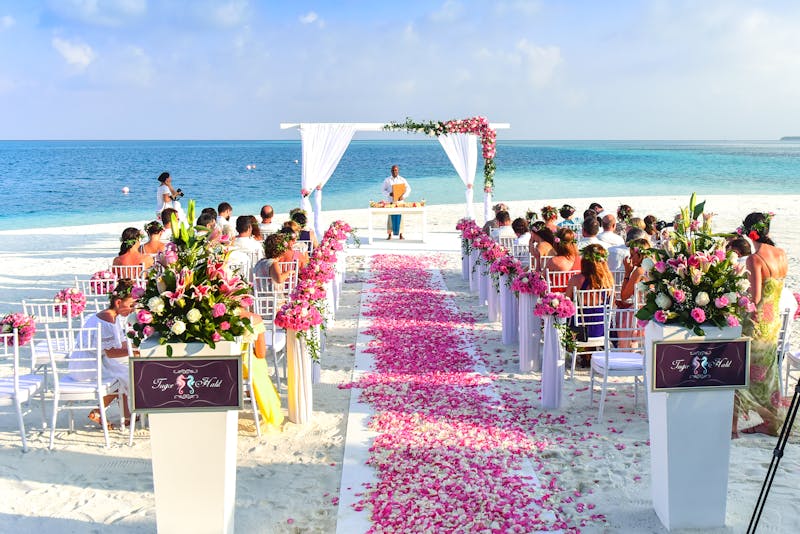
Hosting a backyard wedding, graduation party, family reunion, or church picnic in Northeast Georgia? A single pre-event mosquito treatment can transform an outdoor gathering.
Our event treatments are timed 24 to 72 hours before your gathering for peak effectiveness. We coordinate with your venue, your caterer, and your schedule. Available throughout Stephens, Hall, Habersham, Jackson, Banks, and Rabun counties.
Mosquito reduction is most effective as part of a comprehensive pest protection plan. Our Premium Full Property Shield includes seasonal mosquito treatment from March through October along with complete household pest, termite, tick, and flea coverage.
Essential
Pest Control
Foundational protection against common household pests of Northeast Georgia.
Standalone mosquito-only service also available. Call for seasonal-only pricing or one-time event treatment quotes.
Our Approach
What to Expect With Hanco Mosquito Service
01
Property Walk
Your technician walks every corner of the yard. Breeding sources, harborage areas, and pressure patterns are documented.
02
Tailored Plan
A plan built for your pressure, your priorities, and your yard. Barrier spray, larvicide, In2Care, or a combination.
03
Treatment
Technician-applied treatment to harborage, breeding sites, and resting areas. Typically 45 to 90 minutes per visit.
04
21-Day Rotation
Return treatments every 21 days through the season. Between visits, call us with any hot spots for a free re-service.
Service Areas
Mosquito Control Across Northeast Georgia
Every community has its own mosquito pressure based on water bodies, forest cover, and terrain. Our treatments are tailored to where you live.
Mosquito Control in Toccoa
Stephens County
Lake Toccoa, creek bottoms, and heavily wooded foothill lots drive persistent mosquito pressure throughout the season. Our barrier spray plus source reduction is the standard approach here.
Lake Lanier shoreline, dense tree canopy, and high summer humidity make Gainesville one of our highest-volume mosquito markets. Lakefront properties typically need aggressive seasonal programs.
Lake Lanier west bank neighborhoods and wooded family subdivisions. Most Cumming customers run our Premium Full Property Shield through the entire March-to-October season.
Lake Lanier south-end properties and dense suburban neighborhoods with mature tree cover. Barrier spray and In2Care stations are our most common Buford service combination.
Established subdivisions with mature trees and creek drainages. Sugar Hill properties typically experience strong Asian Tiger pressure requiring daytime-focused treatment.
Lake Hartwell lakefront and adjacent properties. We coordinate barrier treatment timing with fishing, swimming, and boating schedules to minimize disruption.
New subdivisions on former pasture with creek-bottom drainage. Persistent standing water and nearby wooded buffers drive mosquito pressure in many Jefferson neighborhoods.
A mix of downtown historic homes and wooded outer-ring properties. Event treatments for Commerce church grounds and reunions are particularly common through the summer.
Apple orchards, creek drainages, and the mountain foothill canopy produce heavy daytime Aedes pressure. Tree-hole species are a particular concern for Cornelia families with children.
Mountain cabins, short-term rentals, and shaded lake-adjacent homes. Clayton's moist, wooded character means most homes benefit from full-season treatment programs.
Helen-adjacent cabins, year-round homes, and short-term rentals. Event treatments for Cleveland weddings and outdoor gatherings are frequent through spring and fall.
Rural homes, small farms, and wooded acreage. Post-rain gallinipper outbreaks and persistent Culex pressure are the regular concerns for Banks County properties.
We finally use our porch again. I cannot overstate the difference. Two weeks after our first treatment we ate dinner outside three nights in a row without a single bite.
L. ChandlerCumming, GA
"
Hanco treated our backyard two days before our daughter's wedding. We had 140 guests on a Lake Lanier property in July and the mosquitoes were not a factor. Worth every penny.
R. & D. BeaumontGainesville, GA
"
They walked the whole property on the first visit, showed us three hidden water sources we had no idea about, and gave us a checklist. The treatment plus fixing the gutters made a dramatic difference.
J. KittrellClayton, GA
Field Notes
Mosquito Guides & Resources
Practical guides written by our technicians for Northeast Georgia homeowners, event hosts, and property managers.
Lake Properties · 5 Min Read
Why Lake Lanier Homes Have a Mosquito Problem (And How to Fix It)
Lakefront and lake-adjacent properties in Gainesville, Buford, and Cumming face unique mosquito pressure. Here's how our reduction program is built specifically for shoreline conditions.
Planning a Backyard Wedding in Georgia? Read This Mosquito Checklist First
When to schedule treatment, how to coordinate with your venue, and what actually works for a summer outdoor wedding in Northeast Georgia. Lessons from 20+ weddings we've protected.
Seven Spots to Check for Mosquito Breeding After Every Rain
A quick weekly yard walk can eliminate thousands of future mosquitoes. Here are the seven places we find water most often on Northeast Georgia properties, with photos.
How quickly will I see a difference after treatment?
Most customers notice a significant reduction within 24 to 48 hours of their first barrier spray. Full results typically appear by the one-week mark as adult populations die off and breeding is interrupted. Properties with severe pressure or large water sources may require one or two additional treatments to reach peak effectiveness.
How long does each mosquito treatment last?
A typical barrier spray provides noticeable reduction for about three weeks. This is why our seasonal program runs on a 21-day rotation. Larvicide and In2Care station components provide longer-lasting, ongoing impact on breeding populations.
Are mosquito treatments safe for my family, pets, and pollinators?
Yes. We use EPA-registered products applied according to label directions. We target resting areas and harborage (underside of foliage, shaded areas) rather than blooming flowers where pollinators feed. Our technicians are trained to avoid application during peak pollinator activity. Our larvicide options (Bti) are biological and non-toxic to fish, pets, and beneficial insects.
When is mosquito season in Northeast Georgia?
In our region, mosquito season typically runs March through October, with peak pressure from late May through September. Some wooded properties in Clayton and Cornelia see early-season tree-hole mosquitoes as early as mid-March. Our standard seasonal program is built around this eight-month window.
Do you offer treatment for special events like weddings or parties?
Yes. Our event treatments are a significant part of our summer business. For best results, treatment should be applied 24 to 72 hours before the event. We coordinate with your venue, caterer, and planner, and work around setup schedules. Available throughout Stephens, Hall, Habersham, Jackson, Banks, Franklin, White, and Rabun counties.
What can I do between treatments to help?
Eliminate standing water. Empty bird baths weekly, unclog gutters, drain pot saucers, turn over kids' toys, and remove tarps and containers that collect rainwater. We provide every new customer with a specific written checklist for their property on the first visit. Source reduction is the single most impactful thing you can do.
Can I treat just for mosquitoes, or do I have to bundle?
Both options are available. Our Premium Full Property Shield bundle ($99/month) includes seasonal mosquito reduction alongside full pest and termite protection and is the best value for most properties. Standalone seasonal mosquito service is also available as a monthly program or as one-time event treatments. Call for standalone pricing.
What about natural or organic mosquito treatments?
Our In2Care station system is biologically based and minimizes chemical application. We also offer botanical-based barrier spray options for customers who prefer them. Be aware that natural products generally require more frequent application and may not achieve the same reduction level as conventional barrier treatments. Your technician will walk you through the tradeoffs.
Do I need to be home during treatment?
No. Most of our service visits are exterior-only. We ask that pets and family members stay indoors during application and for about 30 minutes after until the product dries. Your technician leaves a written service report for you.
Free Mosquito Inspection
Take Your Backyard Back
Same-week scheduling available across Northeast Georgia. Call today for a no-obligation property walk and custom quote.